
LAWRENCE CHRISMAS
PHOTOGRAPHY
CONTACT LAWRENCE CHRISMAS AT CAMBRIA@TELUS.NET
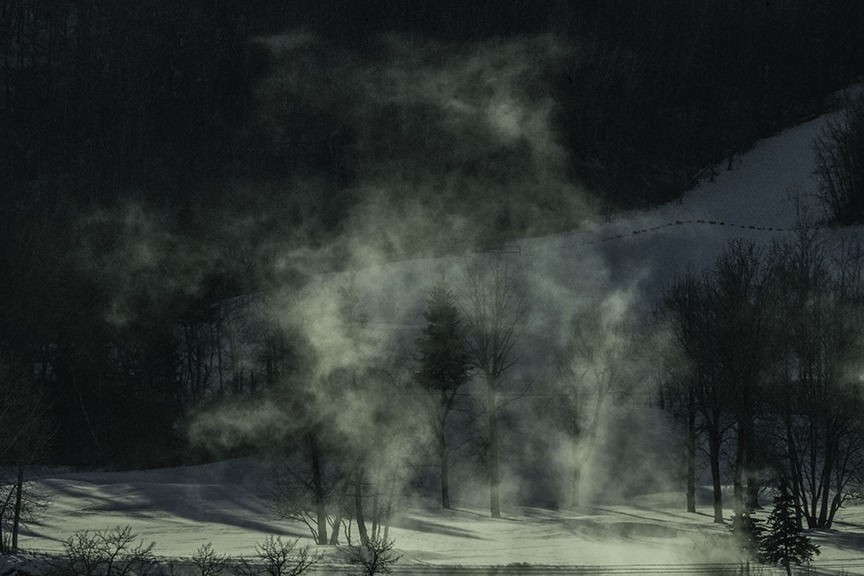
PHOTOGRAPHY ROUTE
TAKEN BY LAWRENCE CHRISMAS
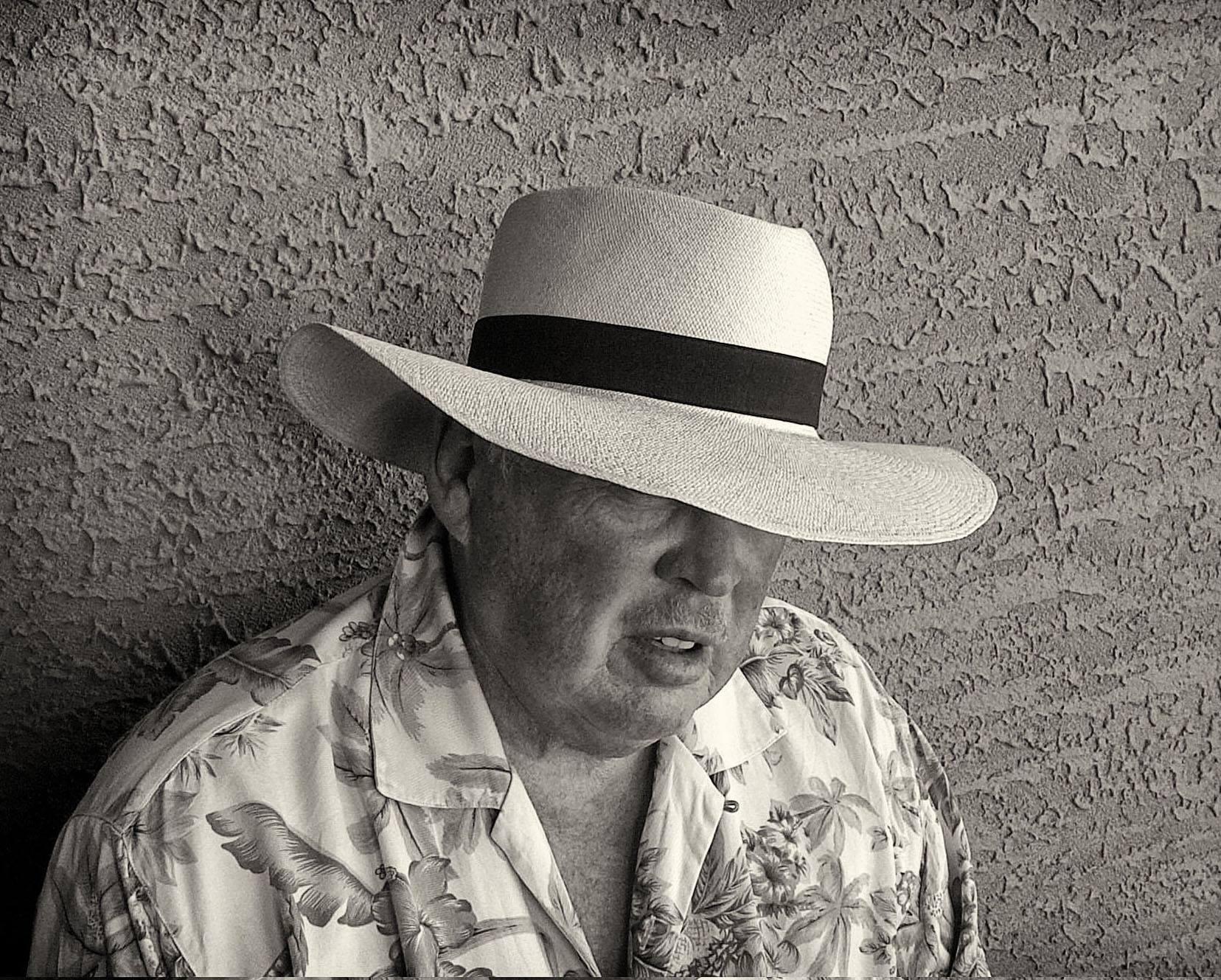
Lawrence Chrismas
When I was very young, my father was camera crazy, taking many snapshots. Both
parents created photo albums with their snapshots. While in High School, I was
given a 35 mm Zeiss Contax German camera. In high school, I was involved in the
school photos, and that influenced me to learn photography.
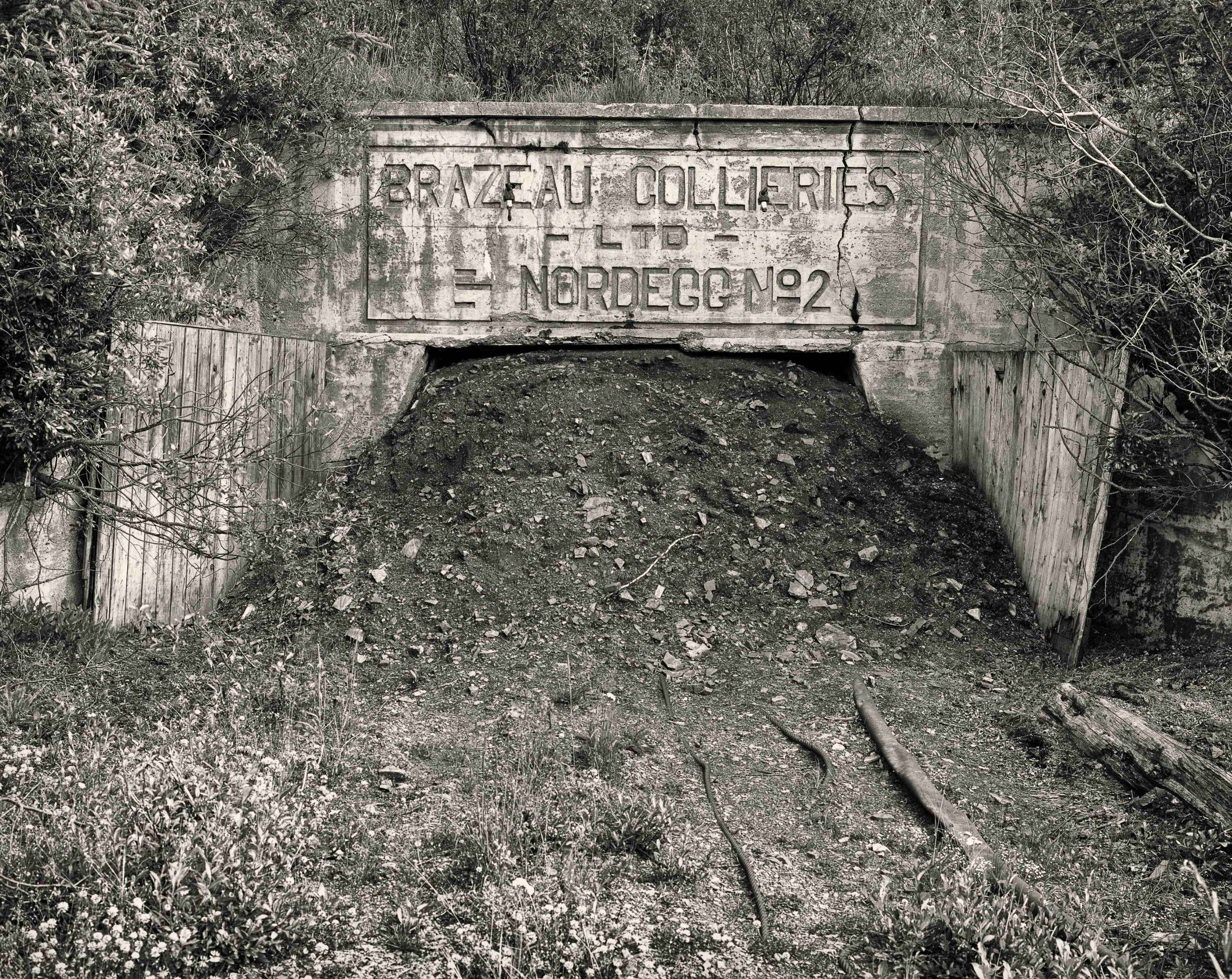
In 1960, I was looking for a job to earn enough money for my first year of
university. Luckily, I left home in Vancouver and travelled to United Keno Hill
Mines in the middle of the Yukon Territory.
I started working as a laborer in the silver, lead, and zinc mill I breathed in
a fair amount of lead dust, but I am pleased to say that I am still alive. And
do not have lead poisoning. After a few months in the mill, I was switched to
work with the mine surveyor cutting a survey line. I will never forget the Yukon
mosquitoes. It turned out the surveyor was also the mine photographer.
During spare time, we talked about photography and he showed me how to make
prints in the mine darkroom. I spent about a year at Keno Hill, and in the end,
I was working in the engineering office. My objective of saving my wages was
successful. I returned to Vancouver after Keno Hill. I still had a few months
before university began, so I accepted an underground job with a diamond
drilling company at the Bralorne gold mine.
At the time Bralorne was the deepest and hottest mine in Canada. While I was
working on the night shift, I experienced a bout of severe stomach pain. The
boss man on our crew told me to get back to the surface. I barely made it back
to the surface. I was writhing in agony at the bunkhouse. The night watchman
came and realized I had a problem. He took me to Bralorne’s one-room hospital.
This was about 3 in the morning. There was a nurse, but no doctor. The nurse
diagnosed that I had appendicitis. She made arrangements for a doctor to be
flown in for me. If his flight had been longer, my appendix likely would have
ruptured, and I would not have survived. The hospital had two beds side by side.
A very old miner was in the bed beside mine. In the morning, the nurse pulled
the bedding over him. During the night, he quietly passed away.
I will never forget Bralorne.
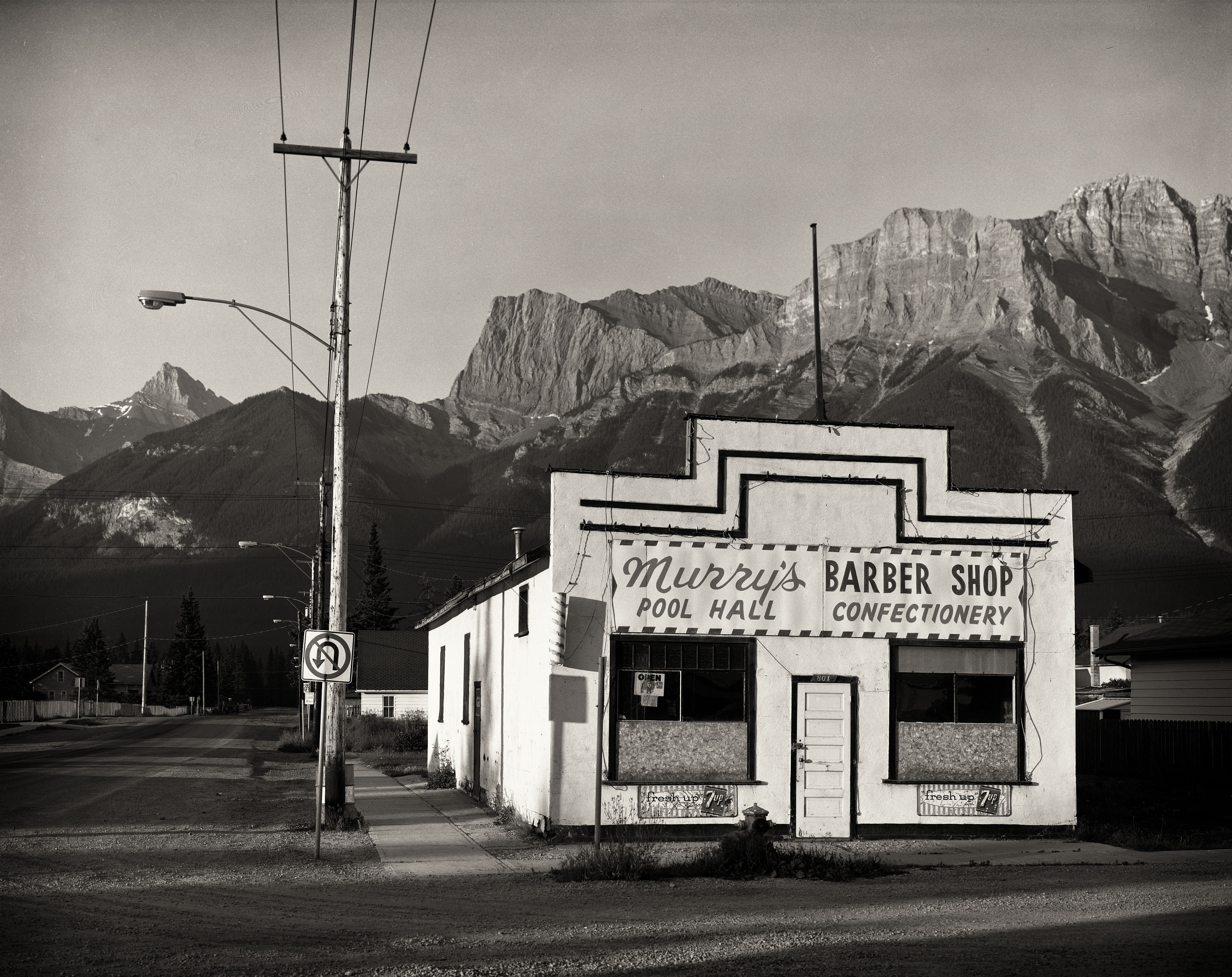
In 1996 after my Bralorne experience, I began basic engineering classes at the University of Alaska in College of Alaska (near Fairbanks) My first summer job was with Shell International, helping the company geologists with mapping and carrying rock samples for the geologists. In my second year, I changed my mind from engineering to geology, and subsequently, in 1966, I graduated with a bachelor’s degree in geology. One of my fondest memories from the many I obtained while living in Alaska was an elective course in photojournalism. The instructor was a well-known Alaskan photojournalist. He gave me considerable motivation with respect to photography. I started frequently photographing with my 35mm camera during the summer months. In order to graduate from the University of Alaska. I was required to take a field geology course from the University of Indiana. We travelled from Indiana to Montana to do field geology for a month. It was a wonderful experience, and we even toured a giant copper mine in Butte, Montana. My partner and I next chose to do graduate work at the University of Alberta in Edmonton. In 1968 I received a master's degree in geology from the University of Alberta in Edmonton, the city where I was born. My thesis covered the geology and economics of the Craigmont Copper Mine near Merritt. British Columbia, my thesis advisor was Dr Filinbee, head of the geology department. After Grad school, my partner and I both got jobs in Ottawa. I obtained a permanent job with the Department of Energy, Mines and Resources in Ottawa. The work involved the Canadian coal industry. I was required to travel to coal mines regularly to all the coal mines from Ottawa to Cape Breton Island to Vancouver Island on an annual basis. During the 1970s, I gained a lot of knowledge about multiple aspects of the coal industry in Canada and the world. Also, I had the responsibility of acting as the Coal Division Chairman for the CIM. (Canadian Institute of Mining and Metallurgy) With the new income I was able to purchase a professional Canon 35 mm camera and lenses. It turned out that Ottawa was a vibrant location for photography.
I joined the Ottawa Camera Club and the Colour Photography Association of Canada. During the 1970’s - In addition, I sought out and studied photography with some renowned Canadian photographers, including Reeman Paterson and Robert Bourdeau. Ray Van Dusen, Larry Wiesman, Hubert Hohn, and Gaibor Szilasi. A career highlight was when I was awarded first prize in a contest judged by Joseph Karsh In the mid-1970s. It included a trip to Paris to view an exhibition of Atget, a famous French photographer. The award prompted me to begin shooting with black and white film and building a darkroom for developing and printing. In Ottawa, I purchased an 8 x 10-inch view camera and lenses, and I acquired an 8 x 10 enlarger. At the same time, I started purchasing a collection of high-quality books by famous photographers. I was motivated to shoot nearly all photographs e with an 8 x 10-inch view camera and with black and white film. In 1978, I was awarded a scholarship (nominated by Robert Bourdeau to attend a master class at the Banff School for Fine Arts). During the Banff Masterclass, we rented a cabin near Canmore. Coincidentally, on the first day in Canmore, the coal company announced they were going to permanently shut down the mine. I had the foresight to obtain an introduction to one of the miners who had worked for 50 years at the coal mine. He told me a fascinating story about his experience in the mine. The next day he introduced me to a few of his buddies. That day a 30-year documentary project began to interview and photograph them. It became a national project from Cape Breton to Vancouver Island to photograph environmental portraits of coal-mining persons. I participated in exhibitions in various photography galleries, including the National Gallery of Canada, National Film Board, Edmonton Art Gallery, Glenbow Museum, Drumheller. I was awarded a lifetime Membership for the Canadian Institute of Mining and Metallurgy.
In 1980 I moved to Calgary, employed by the Coal Division of an oil company. In the mid-80’s I began writing the first of seven books of my photographs of Canadian coal miners from Vancouver Island to Cape Breton Island. Based my experience of photographing and interviewing mining people, I have occasionally been called a Coal Mining Historian. As a coal mining historian, I have completed studies under contract about the coal industry. A few years ago, I had the good fortune of being inducted into the Canadian Academy of Art. A well-known Canadian artist recommended me for membership to the Canadian Academy of Arts. I am currently in the process of searching for where I might find suitable homes for my enormous collection of negatives and prints.
Books & Catalogues by Lawrence Chrismas
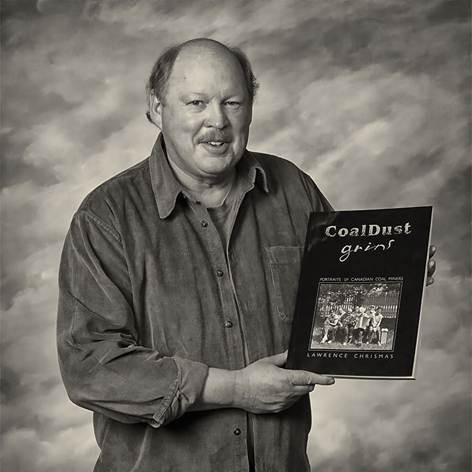
CoalDust Grins Book and Music CD
The CoalDust Grins Book by Lawrence Chrismas comprises
a comprehensive retrospective of his photographs and stories of Canadian Coal
Miners from Vancouver Island to Cape Breton Island. When it was published
it received the Roloff Beny award for one of the top photography
books in Canada. The superb photographs in this book
reveal the distinctiveness of Canada’s coal mining regions and the importance of
the industry in our country’s heritage.
The book contains 312 pages and 282 duotone photographs
and accompanying stories of mining people.
A music CD with 12 original songs and a 32-page
booklet are in a boxed set. Lawrence contributed the stories for the songs with
some well-known singer/song writers including Dick Damron, Diamond Joe White and
Dave McCann. The songs are about real-life people whose portraits and stories
are in the book. The CD was produced by Tim Williams and received nomination for
five awards.
The book price $50 Cdn and CD for $20. Shipping is
extra.
Self Portrait
Coal in the Valley: Drumheller Miner Photographs
Mining
families, historians, students, teachers, industrial archeologists and explorers
immerse yourself into the history rich Drumheller Valley and its interesting
characters through black and white portraits. biographical stories of its mining
people, the remnants of mines and the spectacular landscape of the Drumheller
Valley.
The book contains 120 pages with 95 duotone
photographs. The price is $34.99 Can plus shipping
Canmore Miners: Coal Miner Portraits
In 1979 when Canmore Mines announced permanent closing
the residents in Canmore were mainly the working coal miners and families or
retired coal miners. This book covers portraits and biographical sketches of the
miners and their families that were made from 1979 to 2002. Most of the miners
enjoyed living in the spectacular mountain town, Canmore and stayed there for
the duration of their mining lives and retirement. The book represents a
collection of heartwarming stories and engaging photographs that provide an
intimate look at life as it was in a single industry town.
Book: 64 pages and 58 duotone plates. Price: $24.95
plus S&H
Alberta Miners – A Tribute
This book is a veritable history book with faces and
stories that hail back to the earliest years of mining in the province. The
photographs show the strong sense of community and pride shared by these people
– pride in their jobs, industry and in their ethnic origins. Most of the
portraits are accompanied by biographical or historical text recorded in
interviews with the photographer.
This absorbing collection of 150 black and white
photographs documents more than 300 people in 80 Alberta locations
including operating mines.
The price is $50 plus shipping and handling.
Lawrence Chrismas Photographs – Landscape discoveries
Prior to photographing coal miners Lawrence Chrismas
was a landscape photographer. This 1982 catalogue of seven finely printed 8 x 10
contact prints was produced for the Kensington Fine Art Gallery in Calgary and
represents some of his early photography from the ’1970’s
Hubert Hohn, Director of the Photography Program at
the Banff School Of fine Art enriched this catalogue by writing an essay related
to photography
Minto Miners – A Tribute
Lawrence Chrismas wrote this book for one of the
oldest mining towns in Canada, Minto New Brunswick. When he first Minto he was
struck by the miners and their families who lived in Minto. Many of the
old-timers recall with fondness the many mine shafts and piles of waste rock
throughout the town.
48 pages and 20 plates
Manalta Miners – A tribute in Portraits and Words
Lawrence Chrismas was commissioned as part of 90 year
celebrations by Manalta Coal Ltd to photograph and interview a cross section of
retirees and active employees at all seven of their mines in Alberta and
Saskatchewan.
58 pages and 37 plates
Canadian Coal Miners: Photographs by Lawrence Chrismas
A catalogue produced to accompany an exhibition
of 52 photographs that was held in the Edmonton Art Gallery from September 2 to
October 30, 1983
Seven finely printed 8x10 contact prints and
essay by Terry Fenton, Curator.
To order contact by phone or email
Phone 403 270 3547
Email
cambria@telus.net